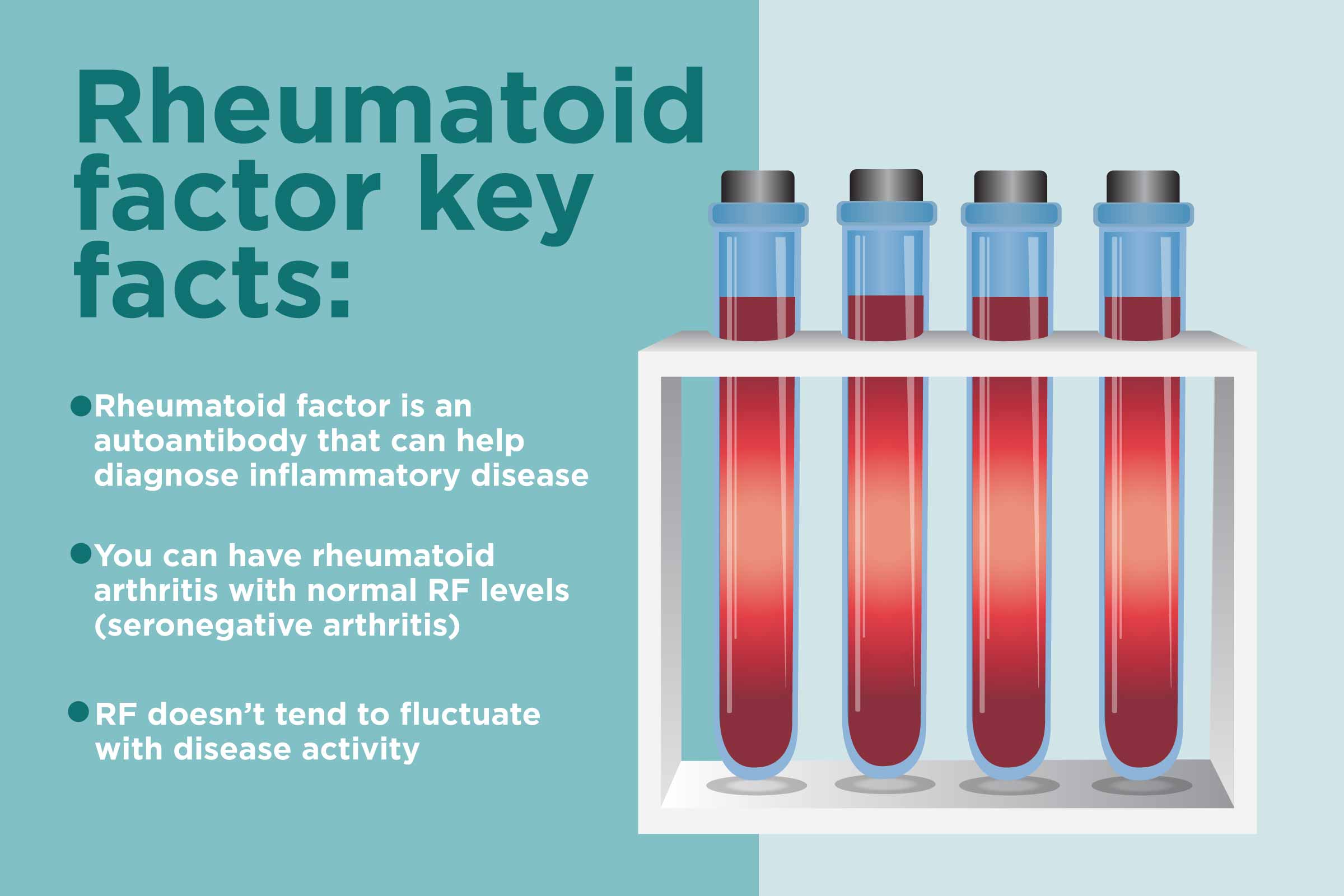
High levels of rheumatoid factor (RF) in the blood can be indicative of rheumatoid arthritis (RA) among other conditions. Here’s what generally determines a "high" RF in the context of RA diagnosis:
- **RF Concentration**: The actual level of RF measured in the blood is crucial. Different labs may have varying reference Show Full Answer
High levels of rheumatoid factor (RF) in the blood can be indicative of rheumatoid arthritis (RA) among other conditions. Here’s what generally determines a "high" RF in the context of RA diagnosis:
- **RF Concentration**: The actual level of RF measured in the blood is crucial. Different labs may have varying reference ranges, but typically, a higher RF level suggests a greater likelihood of RA or another autoimmune disorder.
- **Clinical Context**: RF results are not solely diagnostic on their own but are considered alongside symptoms and other test results. High RF levels paired with symptoms like joint pain, swelling, and stiffness may strengthen a diagnosis of RA.
- **Comparison to Normal Ranges**: Each laboratory has its own reference range for what constitutes a normal RF level. Levels above this range are considered high. For instance, if the normal range tops out at 20 IU/mL, a result of 40 IU/mL would be considered high.
It's important to discuss these results with a healthcare provider to understand their significance in your specific health context.
April 18, 2024
Simply put they are antibodies:Aug 26, 2023 — Rheumatoid factors are proteins made by your immune system that can attack healthy tissue in the body.
April 18, 2024







 Join
Join




 Your Privacy Choices