
Powered By


This test basically shows an increase in the C-reactive protein when inflammation is present, but it doesn't tell what the inflammation is for. It could be linked to other medical conditions like coronary heart disease, diabetes, or cancer. How do I know that I'm treating the issue & not just an underlying symptom?

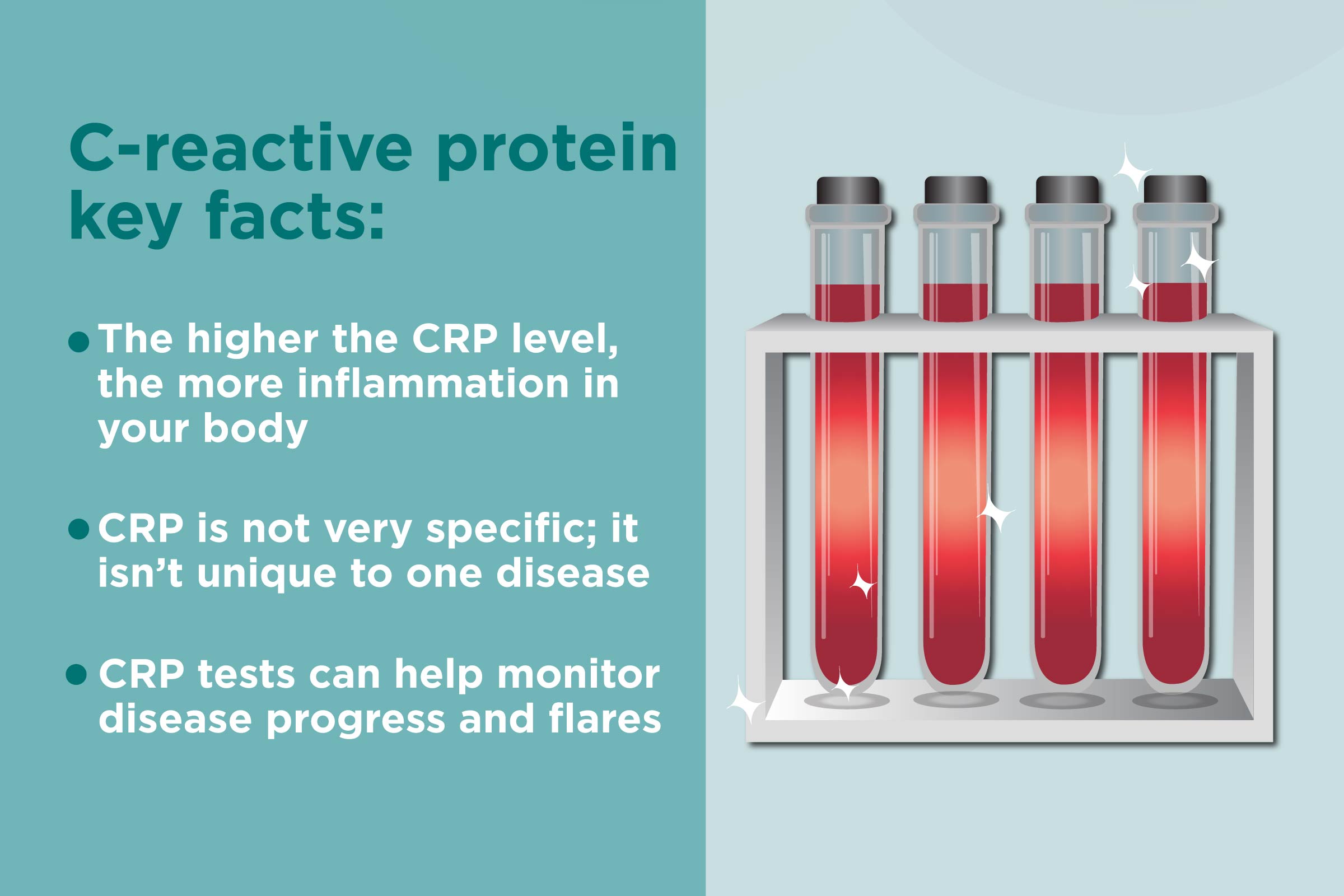
C-reactive protein (CRP) is a protein produced by the liver that increases in the presence of inflammation in the body. Here are some key points about CRP levels:
- Normal CRP Levels:
- The majority of healthy adults have CRP levels less than 0.3 mg/dL.
- Normal values can vary slightly among different laboratories.
I'll keep you in my prayers take care. Love and hugs
SweetTB, it's a mystery! I have anemia of chronic inflammation according to c-reactive protein and other test results. I'm never sure I am being treated for the underlying cause of my symptoms. Frustrating!

 Continue with Facebook
Continue with Email
Continue with Facebook
Continue with Email

 Join
Join





 Your Privacy Choices