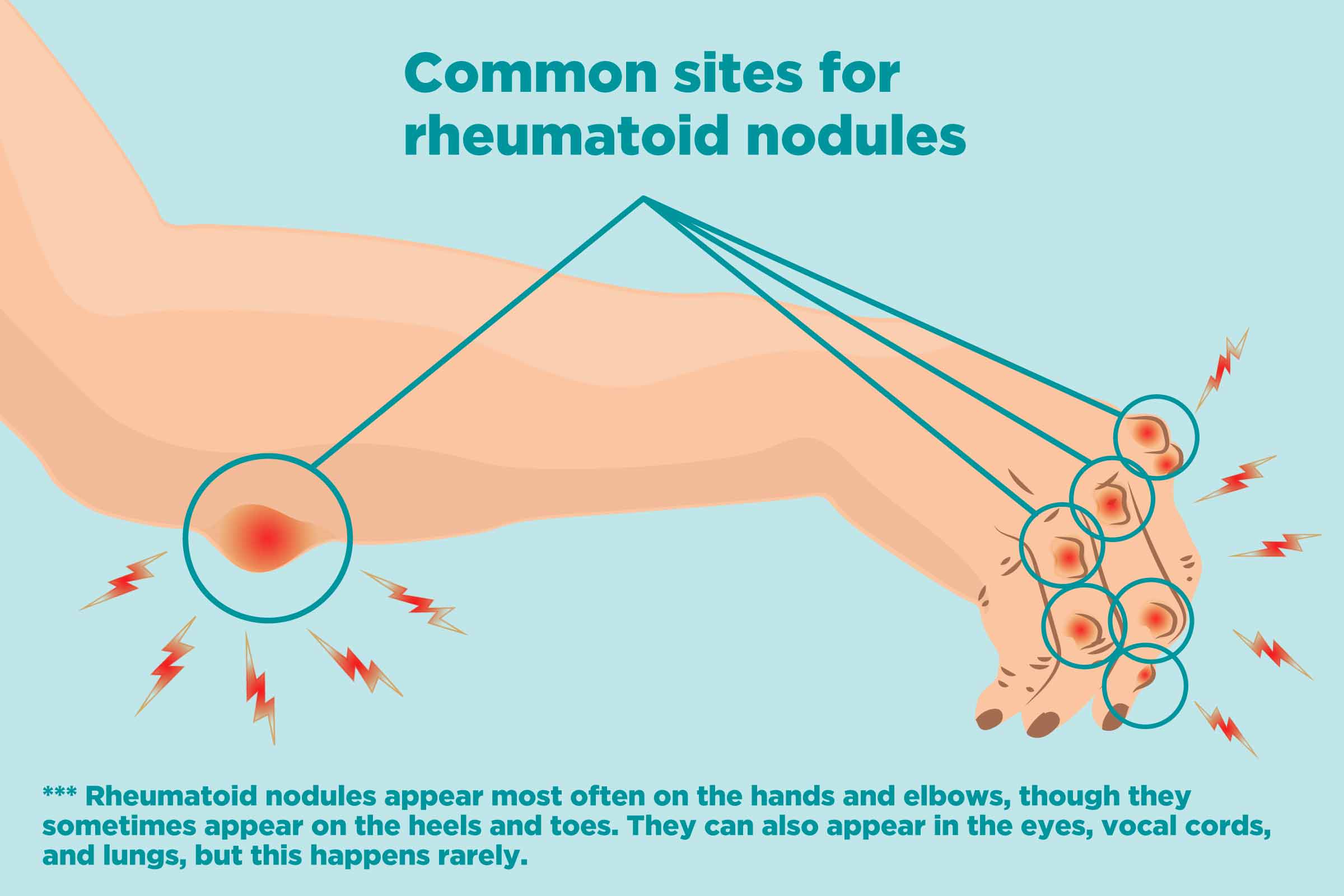
Yes, there are several approaches to managing rheumatoid nodules, even though they might return after removal. Here are some recommendations based on the information provided:
1. **Medication Adjustment**: If you're taking methotrexate and it's contributing to nodule growth, your doctor might consider changing your Show Full Answer
Yes, there are several approaches to managing rheumatoid nodules, even though they might return after removal. Here are some recommendations based on the information provided:
1. **Medication Adjustment**: If you're taking methotrexate and it's contributing to nodule growth, your doctor might consider changing your medication. Drugs like Rituximab have been effective in reducing nodules for some patients.
2. **Disease-Modifying Antirheumatic Drugs (DMARDs)**: These can help shrink nodules and limit further growth by addressing the underlying RA inflammation.
3. **Corticosteroid Injections**: Injecting corticosteroids directly into the nodules can reduce their size and alleviate discomfort by decreasing local inflammation.
4. **Surgical Removal**: While this is an option, it's generally reserved for nodules that cause significant pain, limit mobility, or are infected. As your dermatologist mentioned, there's a risk they might grow back.
5. **Monitoring for Infections**: Nodules, especially in high-pressure areas like the feet, are prone to infections. If you notice signs of infection (discoloration, swelling, itching), consult your doctor for appropriate treatment, which may include antibiotics.
It's important to discuss these options with your rheumatologist and dermatologist to tailor the treatment plan to your specific needs and circumstances.
March 25, 2024






 Continue with Facebook
Continue with Email
Continue with Facebook
Continue with Email

 Join
Join