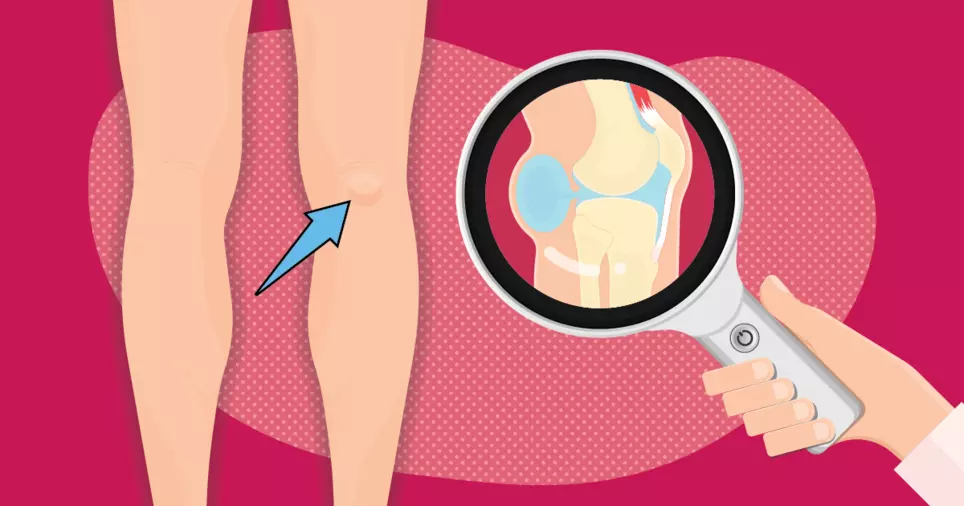
Swollen knees can be a symptom of rheumatoid arthritis (RA) and can cause significant discomfort. Here are some details and tips from the knowledge base:
Symptoms of Swollen Knee in RA
- Inflammation and Swelling: The knee may appear red, feel warm, and be swollen.
- Pain: Described as knife-like or pounding, especially Show Full Answer
Swollen knees can be a symptom of rheumatoid arthritis (RA) and can cause significant discomfort. Here are some details and tips from the knowledge base:
Symptoms of Swollen Knee in RA:
- Inflammation and Swelling: The knee may appear red, feel warm, and be swollen.
- Pain: Described as knife-like or pounding, especially under the kneecap.
- Stiffness: Difficulty bending or straightening the knee.
- Joint Instability: Pain when weight is placed on the knee, leading to imbalance and limping.
- Noises: Loud popping sounds from the knee.
Home Care Tips:
- Rest: Avoid activities that cause pain and avoid putting weight on the knee.
- Ice: Apply ice every hour for up to 15 minutes on the first day, then at least 4 times per day. Always cover the knee with a towel before applying ice.
- Elevation: Keep the knee raised as much as possible to reduce swelling.
- Elastic Bandage: Wear an elastic bandage or sleeve to reduce swelling and provide support.
- Pain Relief: Over-the-counter pain relievers like ibuprofen (Motrin) or naproxen (Aleve) can help with pain and swelling. Acetaminophen (Tylenol) can help with pain but not swelling. Consult your provider before taking these medications if you have other medical conditions.
When to See a Provider:
- If you cannot flex or straighten your knee.
- If you have a fever, redness, warmth around the knee, or significant swelling.
- If you experience pain, swelling, numbness, tingling, or bluish discoloration in the calf below the sore knee.
- If pain persists after 3 days of home treatment.
Medical Treatments:
- NSAIDs: Nonsteroidal anti-inflammatory drugs like ibuprofen and naproxen.
- Corticosteroid Injections: To reduce pain and inflammation.
- Joint Fluid Drainage: To remove excess fluid from the knee.
- Surgery: In severe cases, such as bone-on-bone pain, surgery like osteotomy may be necessary.
Daily Activities and Work Impact:
- Swollen knees can significantly impact daily activities and quality of life.
- It can lead to disability, making it difficult to walk, stand, or perform tasks without pain.
- Many people with RA may struggle with work, especially if it involves standing or walking for long periods.
For more detailed information, please refer to the knowledge base provided.
July 24, 2024








 Join
Join



 Your Privacy Choices